
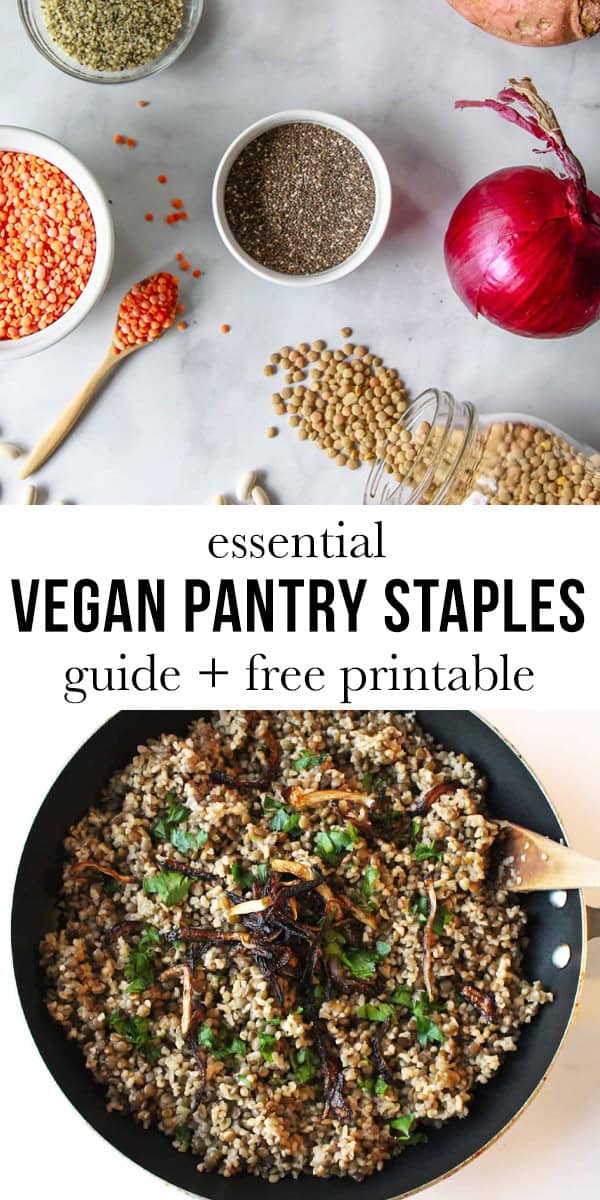
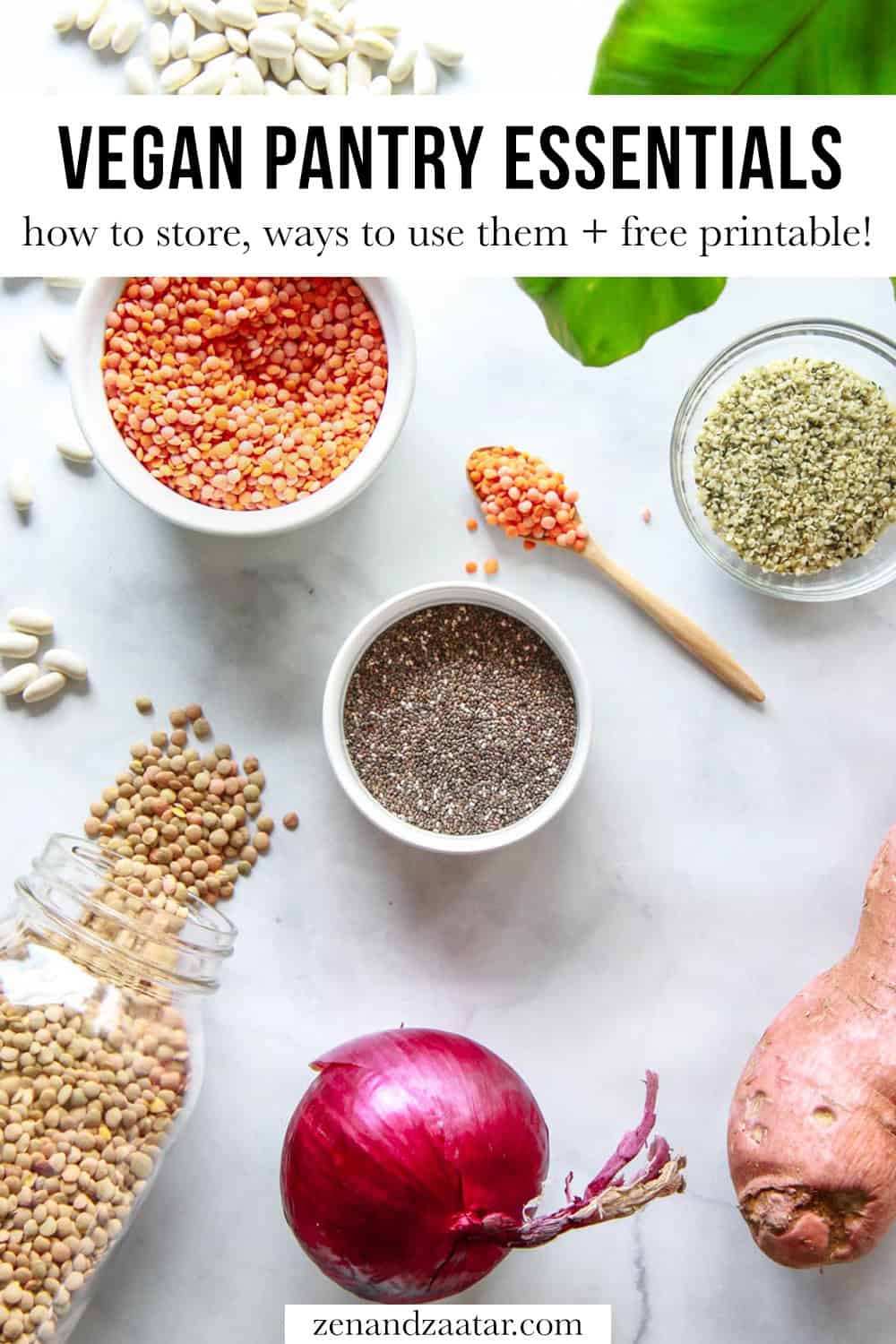
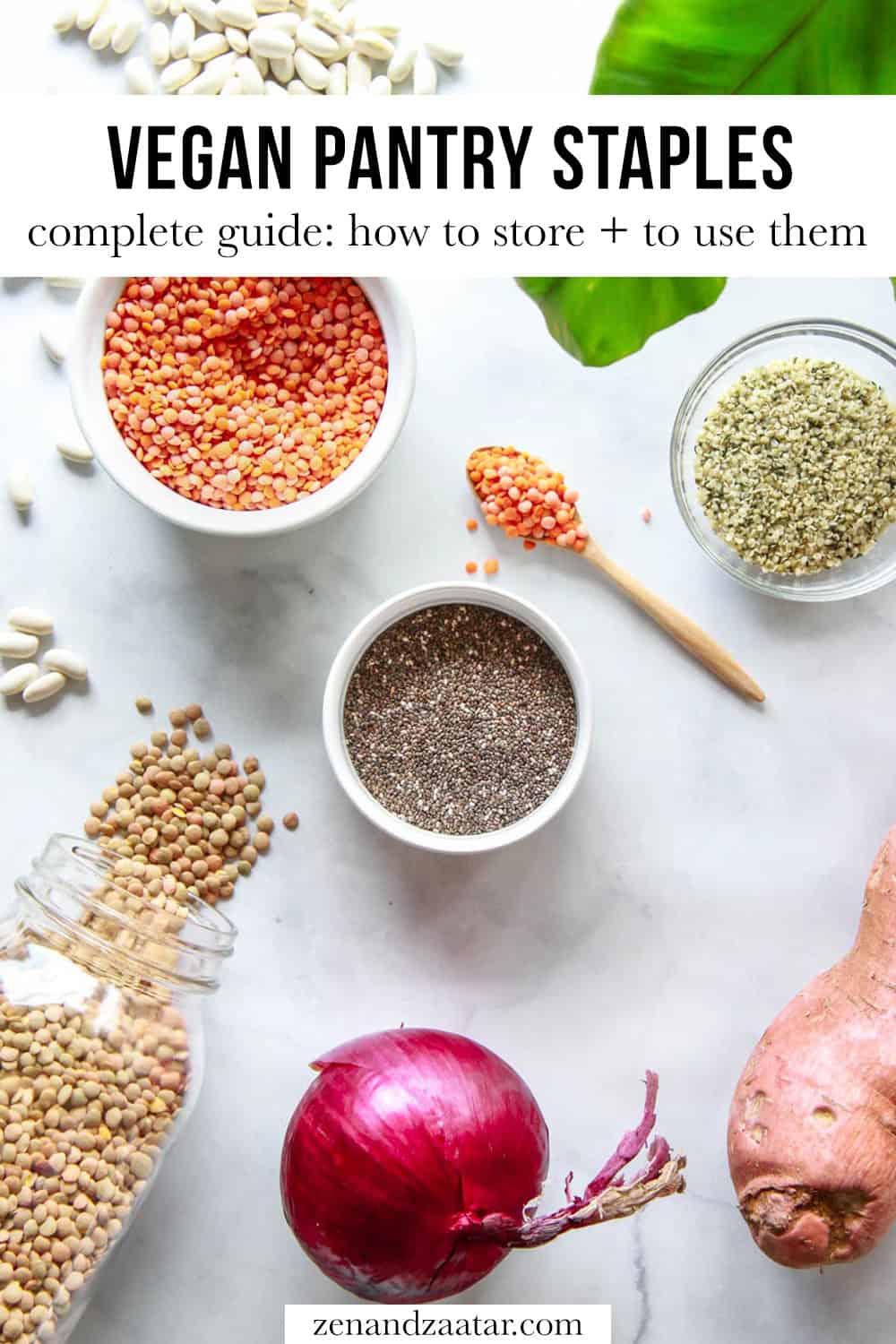
Vegan pantry staples are essential for quick, easy, and enjoyable plant-based cooking. Whether you're new to plant-based eating or a longtime vegan, keeping a few vegan pantry, fridge, and freezer staples on hand makes cooking daily meals easy.
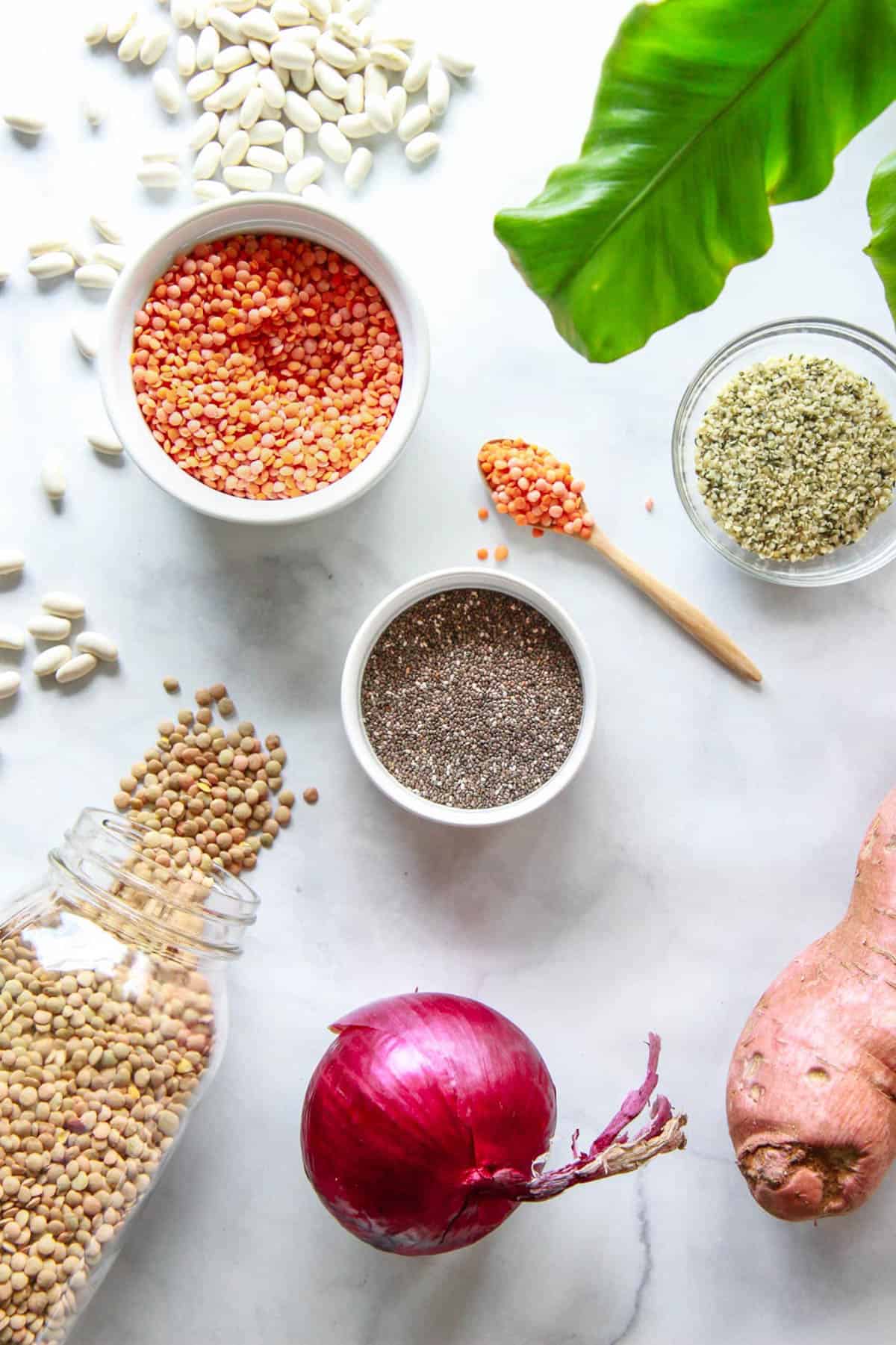
In this guide, I'm sharing all the vegan food staples, fridge staples, and freezer items I keep on hand. With the right basics, you'll always be able to pull together something delicious without a grocery run. Plus, I included a printable PDF checklist so you can take it with you to the grocery store!
Jump to:
Why stock your pantry?
A well-stocked pantry is more than just convenient. It means that you'll:
- Have more options: You'll be able to pull together a satisfying meal even when the fridge is looking sparse.
- Save money: Buying pantry staples in bulk and cooking from scratch costs less than takeout or premade meals.
- Waste less: With shelf-stable basics, you'll worry less about using fresh produce before it goes bad.
- Feel confident: Pantry essentials can be the missing piece to turn your existing produce into a complete meal.
Legumes
Legumes are budget-friendly, protein- and fiber-packed staples with research-backed benefits for heart and digestive health.1 Plus, they last for months in your pantry.
- Brown or green lentils: These hearty legumes are perfect for replacing meat in recipes. Try them in mujadara with lentils and bulgur for a cozy dinner.
- Red lentils: Red lentils cook faster than brown and green lentils and have a slightly more delicate flavor. They're amazing in Arabic lentil soup or any dish where you want them to break down into a creamy texture.
- Chickpeas (garbanzo beans): I keep both dried and canned on hand for salads, stews, and hummus. Use them whole, blend them into hummus, or mash them for Mediterranean smashed chickpea salad.
- White beans (cannellini, navy): These creamy beans are perfect for soups like my Mediterranean white bean soup. They also blend beautifully into dips and spreads, adding protein without overpowering other flavors.
- Black beans: These are a staple in Mexican-inspired cooking! They're delicious in bowls, salads, and vegan sweet potato enchiladas.
- Mung beans: These versatile beans can be soaked, blended, and used as an egg substitute in savory recipes. Try split yellow mung beans in my vegan egg muffins.
- Chickpea flour: Also called besan or gram flour, chickpea flour makes another fantastic egg replacer. Mix equal parts chickpea flour and liquid to make scrambles or omelets. I use it as the base for my vegan shakshuka.
Grains and pasta
Packed with fiber and other essential nutrients, whole grains make plant-based meals feel satisfying and balanced.2
- Rice: I like to keep a couple of varieties on hand. I keep medium-grain rice, like Calrose or Arborio, for everyday sides like my vermicelli rice. When I want to switch things up, I use brown rice or basmati rice.
- Quinoa: Quinoa is a nearly complete protein, containing the essential amino acids, and incredibly versatile.3 Use it for stuffed honeynut squash, dress it up with a savory, coconut quinoa recipe, or enjoy it on its own as a simple side dish. It cooks up fluffy and light in about 15 minutes.
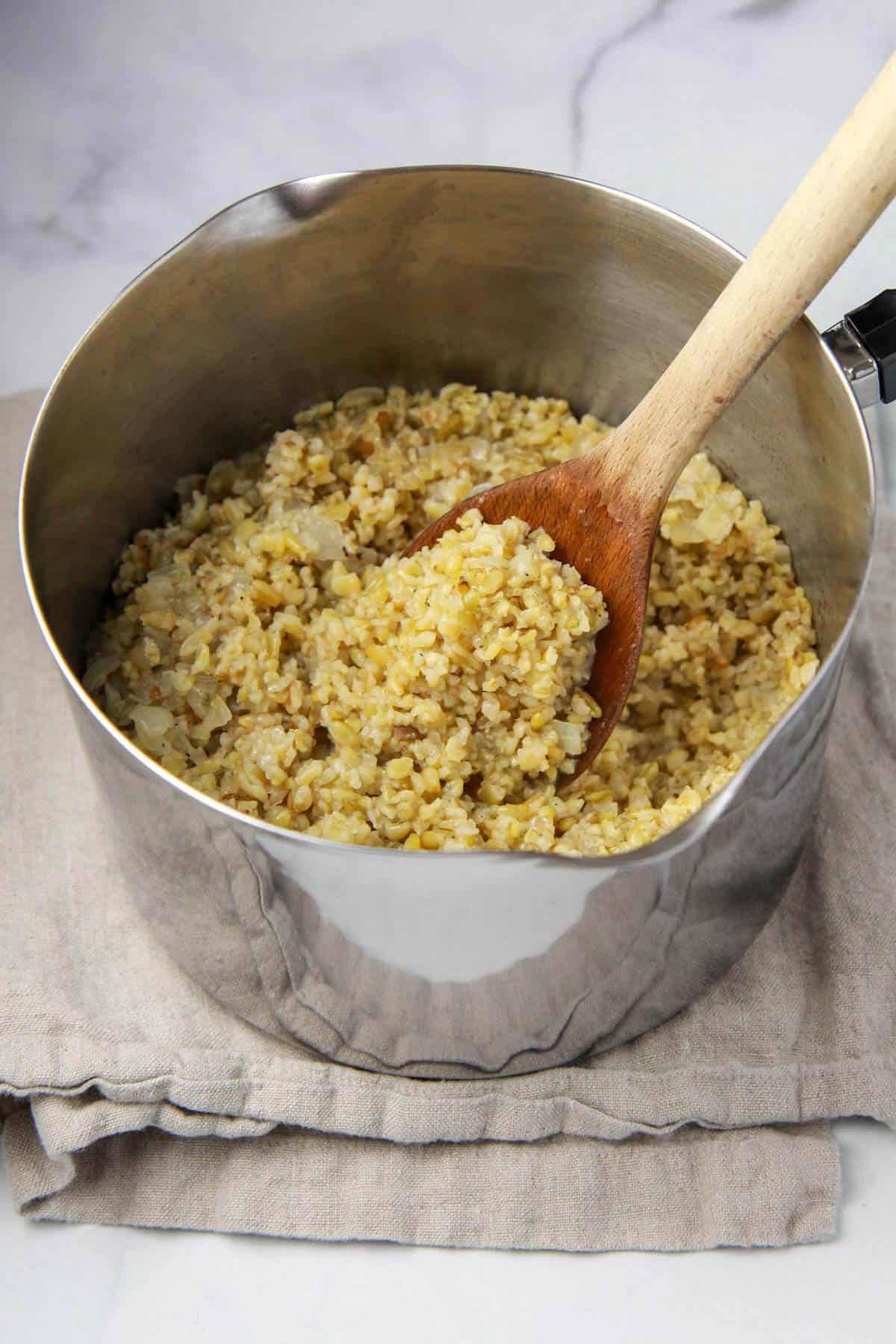
- Bulgur and freekeh: These Middle Eastern grains are alternatives to rice with satisfying textures. Use bulgur to make a tomato bulgur pilaf or serve Lebanese freekeh with roasted cauliflower and chickpeas.
- Polenta (corn grits): Polenta is made from ground corn, and it can be transformed into creamy, comforting vegan grits. It's naturally gluten-free and so satisfying.
- Oats: Oats are key in many staple dishes. Make golden oatmeal, blend them into oat flour for baking, make your own oat milk, or use them in energy balls and cookies.
- Whole grain and regular pasta: Whole wheat pasta brings extra fiber to your meals, and brown rice or quinoa pasta make great gluten-free alternatives.4 Classic durum wheat pasta is great too. Try them in dishes like avocado mac and cheese for a comforting dinner.
- Legume-based pasta: Chickpea, lentil, and black bean pastas are protein-packed alternatives that can make your pasta dishes more filling.
- Couscous: Technically a pasta, it cooks like a grain in minutes. It's perfect for a vegan couscous salad or as a side for main dishes.
Nuts, seeds, and butters
Nuts and seeds can add protein, healthy fats, texture, and creaminess to dishes.5 Use them whole, turn them into butter or milk, or blend them into creamy sauces.
- Cashews: Cashews are the real MVP of vegan cooking! Soaked cashews can be blended to create milk, cream, and vegan cheese. They create the gooey, plant-based cheese base for vegan knafeh.
- Walnuts, pine nuts, and almonds: These work beautifully in pestos, vegan cheeses, and as crunchy toppings. Use them to make almond parmesan as a topping for pasta and salads or to make oil-free vegan pesto as a topping for your favorite meals.
- Chia seeds: These tiny seeds are packed with omega-3s.6 Add them to smoothies and oatmeal, make chia pudding or jam, or use them as an egg substitute in baking (1 tablespoon chia + 3 tablespoons water = 1 egg). They're key to making matcha overnight oats.
- Hemp seeds: These add protein, omega-3s, and omega-6s to salads, smoothie bowls, and avocado toast.7 They have a mild, slightly nutty flavor that works with almost anything, savory or sweet. You can also use them to make hemp milk; simply blend them with water in a 1:3 or 1:4 ratio. If you have a nut allergy, they work wonderfully to replace nuts to make most recipes nut-free.
- Flaxseeds: Like chia seeds, flax seeds make a great egg replacer, acting as a binder in baked goods like vegan tahini brownies. Ground flaxseeds can also add fiber and omega-3s to oatmeal and smoothies.8
- Tahini (sesame seed butter): Tahini is non-negotiable in my kitchen. Use it in lemon tahini sauce, salad dressings, or to make hummus. It works equally well in sweet and savory dishes.
- Almond, peanut, or sunflower seed butter: Nut butters are perfect in smoothies, on oatmeal, or whisked into sauces for stir-fries and curries. Sunflower seed butter is a great alternative for those with nut allergies!
Canned and jarred goods
These shelf-stable basics make last-minute meals easy:
- Canned tomatoes: Stock crushed or diced tomatoes, and tomato paste. They're the foundation for pasta sauces, stews like sweet potato lentil chili, and curries.
- Coconut milk: Full-fat coconut milk makes incredibly creamy curries, soups, and even desserts like Arabic rice pudding. The lighter version works well for smoothies and everyday cooking when you want less richness.
- Young green jackfruit: When unripe, this amazing fruit has a pulled-meat texture when cooked. Use it for jackfruit nachos or jackfruit gyros.
- Vegetable broth: Having good-quality, low-sodium vegetable broth or bouillon cubes on hand means you can add depth of flavor to soups, stews, and grains anytime.
- Canned beans: I love canned beans for convenience. Just rinse them well and they're ready to use.
Produce and freezer staples
Some fresh items last long enough to be considered staples in your fridge or pantry. Your freezer can also help extend your pantry significantly.
- Dates: These natural sweeteners are perfect in smoothies, energy balls, and this date-sweetened vegan Nutella recipe. Medjool dates are my favorite for their soft texture and sweetness. Store them in an airtight container in the pantry for up to a month or in the fridge for up to 6 months.
- Bananas: Keep some fresh for snacking and freeze overripe ones for smoothies. Fresh bananas last about a week on the counter or 3 or more months once frozen.
- Lemons: A squeeze of lemon brightens up almost any dish. They last several weeks in the fridge, usually 3-4 weeks when stored properly.
- Garlic, onions, and potatoes: These aromatics make the flavor base for countless recipes. Onions and garlic can last 1-2 months, while potatoes last 2-3 weeks. Sweet potatoes are particularly versatile. Roast them or use them as the base for vegan sweet potato mac and cheese.
- Frozen berries: They're perfect for smoothies, oatmeal toppings, or making coconut milk french toast with raspberry chia jam.
- Frozen peas and corn: Add these to soups, curries, or fried rice for extra heartiness.
- Frozen vegetables: Broccoli, spinach, and mixed vegetables are lifesavers when fresh produce isn't available. They're picked and frozen at peak ripeness, so they're nourishing and convenient.
Seasonings and flavor builders
These are what transform basic ingredients into flavorful meals:
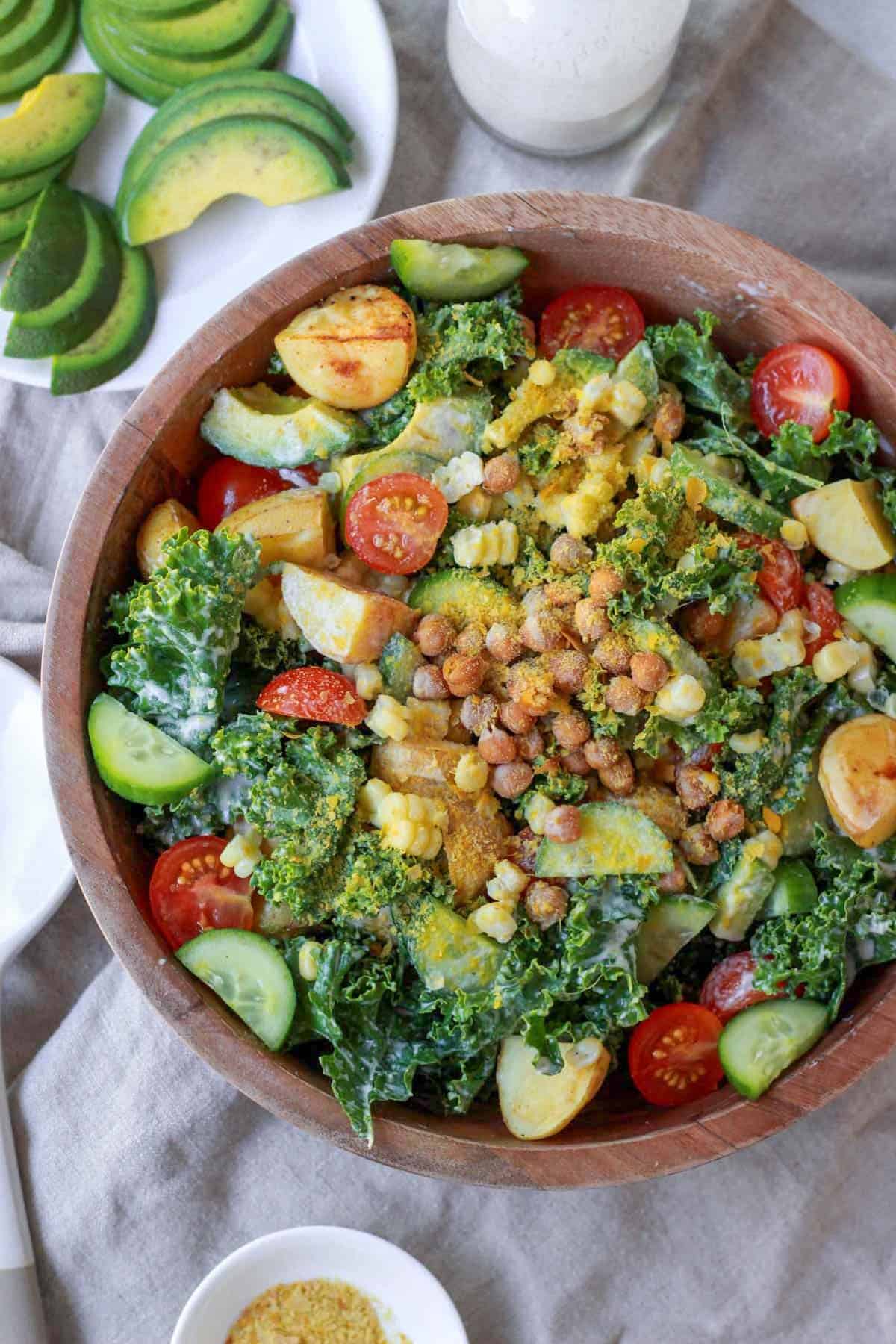
- Nutritional yeast: These cheesy-tasting flakes are often fortified with vitamin B12 (check the label). Sprinkle it on popcorn, pasta, or a tahini kale salad.
- Black salt (kala namak): This specialty salt has a sulfuric, eggy flavor that's perfect for spinach tofu scramble and anything where you want that eggy taste.
- Essential spices: Keep garlic powder, onion powder, cinnamon, black pepper, cumin, and paprika or smoked paprika on hand to be covered for most dishes.
- Turmeric: Beyond its golden color, turmeric has anti-inflammatory properties when consumed with black pepper.9
- Soy sauce or tamari: These are essential for Asian-inspired dishes and adding umami depth to marinades and plant-proteins. Tamari is the gluten-free option.
- Apple cider vinegar: This acidic ingredient balances flavors and can help create "buttermilk" for vegan baking.
- Natural sweeteners: Keep maple syrup, coconut sugar, or date syrup on hand for baking and sweetening dishes.
- Pomegranate molasses: This is a delicious, tangy flavor builder that I use in a lot of Middle Eastern recipes based from pantry staples, like Syrian pasta with lentils.
Baking and oils
- Oils: Extra virgin olive oil is great for salad dressings and lower-heat cooking, while avocado oil is great for higher-heat cooking.
- Flour: Keep all-purpose flour for general baking, and maybe keep a gluten-free blend if needed.
- Baking powder and baking soda: These are essential leavening agents for baked treats like gluten free vegan chocolate cookies.
How to use pantry staples for easy meals
Here are some combinations that will empower you to create a quick meal out of pantry ingredients:
- For weeknight dinners: Combine rice or quinoa with canned beans, frozen vegetables, and your favorite spices. A simple recipe using this combination is one-pot cheesy quinoa with broccoli, which can be made solely from staples if you use frozen broccoli.
- For long-lasting sauces and condiments: Using just a handful of pantry staples for each, including nuts, nutritional yeast, or tahini, you can prepare a batch of one of these condiments to easily add flavor to any meal. Prep a batch of creamy tahini sauce, maple tahini dressing, or vegan parmesan substitute.
- For meal prep: Cook a big batch of grains and legumes at the beginning of the week. Mix and match them with different vegetables, proteins, and sauces throughout the week.
- For emergency meals: Something as simple as a pasta with canned tomatoes, chickpeas, garlic, and nutritional yeast can be ready in as little as 15 minutes. For a simple soup, all you really need are red lentils, onions, and lemon to make a hearty Middle Eastern lentil soup.
- For breakfast: Overnight matcha oats and golden turmeric oats rely on vegan pantry staples.
Storage tips
- Store grains and legumes in airtight containers: This protects them from pantry pests and keeps them fresh longer.
- Keep nuts and seeds in the fridge or freezer: As a lot of Middle Eastern households know, storing your nuts and seeds in the freezer can extend their life by months. Their oils can go rancid at room temperature. Take extra care to to store flaxseeds in the fridge or freezer once ground to keep them fresh
- Label everything with purchase dates: This helps you use older items first.
- Store potatoes, onions, and garlic in a cool, dark place: Just make sure to keep them separate because they can make each other spoil faster.
- Check expiration dates on canned goods: They last a long time, but not forever!
Free vegan pantry list PDF
I've created a downloadable checklist with all these vegan grocery staples so you can take it with you to the store or keep it on hand for reference. It's organized by category to make shopping super easy. Download it below.
Build your pantry slowly. Start with what you'll actually use, then gradually add more variety as you discover new recipes and ingredients you love. If you want a head start, grab my free 7-day easy vegan meal plan (with a grocery list) to put these staples to work.
Shop my pantry essentials
I restock many of my vegan pantry essentials online for convenience and buy in bulk when it makes sense, prioritizing organic when possible. In this section, I share products I genuinely love and use, through affiliate links. As an Amazon Associate, I earn from qualifying purchases.
- Legumes: Green lentils | Red lentils | No-salt canned chickpeas | Split yellow mung beans
- Grains: Bulgur | Freekeh | Arborio | Quinoa
- Nuts & seeds: Cashews | Almonds | Chia seeds | Hemp seeds
- Sauces & flavors: Tahini (Tarazi is my favorite; it's smooth and high-quality) | Pomegranate molasses (this is my go-to brand) | Nutritional yeast (I love buying this in bulk since I use so much of it) | Kala namak
- Canned: Diced tomatoes | Tomato paste | Coconut milk | Jackfruit
- Oils: Extra-virgin olive oil (I love this quality, Palestinian olive oil) | Avocado oil
Pin this resource to Pinterest to save for later, or share how you used these vegan pantry foods with me on Instagram @zenandzaatar! 🥰 I can't wait to see how you use them!
Sources
- Harvard T.H. Chan School of Public Health. The Nutrition Source. Legumes and Pulses. Accessed October 28, 2025. https://nutritionsource.hsph.harvard.edu/legumes-pulses/
- Harvard T.H. Chan School of Public Health. The Nutrition Source. Whole Grains. Accessed October 28, 2025. https://nutritionsource.hsph.harvard.edu/what-should-you-eat/whole-grains/
- Murphy KM, Matanguihan JB, eds. Seed Composition and Amino Acid Profiles for Quinoa Grown in Washington State. PubMed record. Accessed October 28, 2025. https://pubmed.ncbi.nlm.nih.gov/
- Rodriguez-Leyva D, Pierce GN. The cardiovascular effects of flaxseed and its omega-3 fatty acid, alpha-linolenic acid. Can J Cardiol. 2010;26(9):489-496. Accessed October 28, 2025. https://pmc.ncbi.nlm.nih.gov/articles/PMC2989356/
- Sabaté J. Health benefits of nut consumption. Nutrients. 2010;2(7):652-682. doi:10.3390/nu2070652. https://pubmed.ncbi.nlm.nih.gov/22254047/
- Ullah R, et al. The promising future of chia (Salvia hispanica L.). PubMed record. Accessed October 28, 2025. https://pubmed.ncbi.nlm.nih.gov/23251075/
- Karababa E, et al. Hemp Seeds (Cannabis sativa L.) as a Valuable Source of Natural Ingredients for Functional Foods-A Review. Foods. 2023;12(6):1139. Accessed October 28, 2025. https://pmc.ncbi.nlm.nih.gov/articles/PMC11085560/
- Scazzina F, et al. Effects on satiation, satiety and food intake of wholegrain and refined grain pasta. Appetite. 2011;57(2):354-356. Accessed October 28, 2025. https://www.sciencedirect.com/science/article/abs/pii/S0195666316303166
- Harvard Health Publishing. Turmeric benefits: A look at the evidence. Accessed October 28, 2025. https://www.health.harvard.edu/staying-healthy/turmeric-benefits-a-look-at-the-evidence

Leave a Reply